SN No. 115
Eastern Free State
Spring | 07.11.2026
H:24℃ / L:12℃ - wind gusts up to 13km/h.
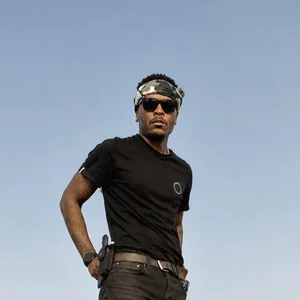
Wandering Nxumalo - On Transition, Movement And New Beginnings.
Hello, and welcome back.
I appreciate the warm responses you've shared following last week's first journal entry and the launch of the website. Just as a reminder, I also run a page primarily dedicated to my artistic practice on Instagram: @studionxumalo. This is where I share news about projects, exhibitions and events associated with that part of my practice. Visit the page to see some of the current projects I am working on in collaboration with Suburbia Contemporary and other partners.
Back to the journey that led me to develop an interest in land stewardship and regenerative landscapes…
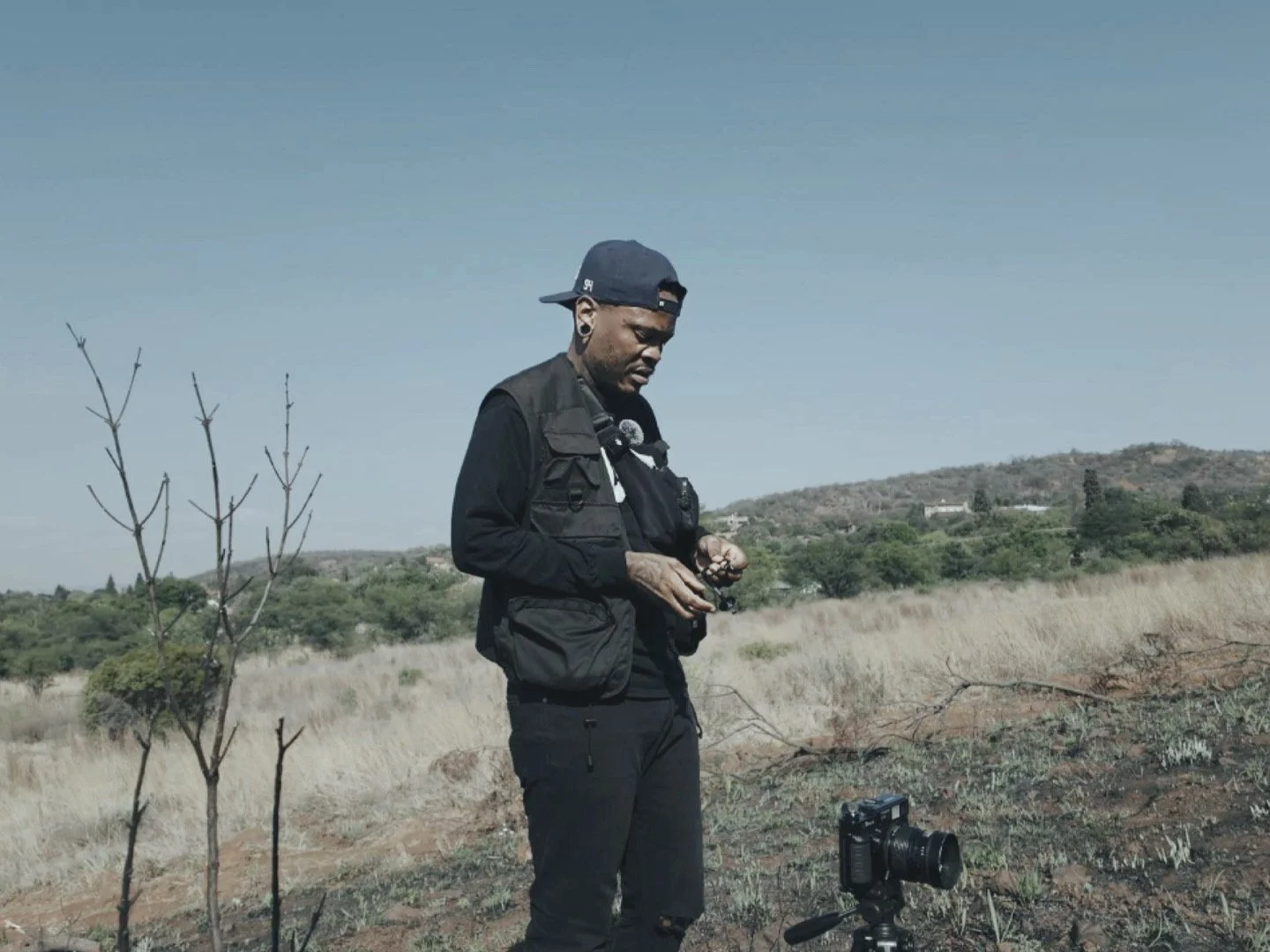
When I decided to take this direction, I knew I needed to make a strong personal commitment to a pursuit that I could dedicate myself to throughout my forties and beyond, and perhaps for as long as I remained physically able. Exploring natural landscapes through photography became that pursuit, complemented by a desire to earn my stripes as an outdoorsman. I imagined my artistic and photographic experience serving as my primary language for observing, reading and writing about my experiences in nature.
At the time, that was the only plan I had. I knew what I wanted to pursue but had absolutely no idea what exactly I would be doing in nature beyond making photographs. Similar to some of my previous projects, I needed to develop a brief, create a scenario or embody a particular character that would activate my imagination. This eventually led me to the theme of Wandering Nxumalo.
I adapted the concept of wandering from Peregrinate, a co-curated exhibition featuring myself, Mimi Cherono Ng'ok and the late Thabiso Sekgala. The exhibition explored the camera as a tool for wandering, investigation and personal discovery, positioning the photographer as an explorer. Looking back, I think the exhibition may have subconsciously planted a seed for my own desire to spend more time on the road and in nature, exploring terrains far beyond the environments I was familiar with and challenging ways of thinking that had defined my practice until then.
Wandering Nxumalo became both a theme and a character I would inhabit, making it possible for me to extend my photographic practice beyond the subjects and environments I had become accustomed to living and working within.
I had no formal background in ecology, conservation or agriculture, and very little practical experience of spending extended periods in natural environments. I was entering unfamiliar territory, both intellectually and physically, with photography as my most familiar method of navigation.
Looking back, I think this was an important distinction. I wasn't necessarily setting out to become a landscape photographer, a hiker or a backpacker in the conventional sense. I was interested in developing an understanding of, and a closer connection with, landscapes through time, movement and observation. I wanted to learn how to read my surroundings, recognise patterns, understand the relationships between different elements of a natural landscape and, perhaps most importantly, explore my responses to these environments through the slow process of analogue photography.
Klipriviersberg Nature Reserve, situated within the greater Johannesburg area, became my first point of departure in bringing this pursuit to life. Its proximity to Soweto and the Johannesburg CBD made it an accessible place to begin this exploration without having to travel far from the comfort of the city I had called home for most of my life.
I then decided to dedicate at least a year to this foundational process, allowing myself the time and freedom to become familiar with the reserve and whatever it might reveal to me. I visited two to three times a week, quietly and slowly, alternating between hiking, walking and photographing. Some visits were made just before dawn to catch the sunrise, while others took place around lunchtime. From April through to October and November 2025, I observed the reserve across the changing seasons, moving from autumn into winter and eventually spring, while gradually becoming familiar with its different rhythms and conditions.
By October and November 2025, my attention had begun gravitating towards the Eastern Free State, partly as a result of visits to my family in the region. I began thinking about transitioning into a different landscape, one with a distinct character and a long, significant agricultural history in South Africa. The Eastern Free State gradually emerged as the next region in which I would continue this exploration, marking the beginning of another chapter in my journey.